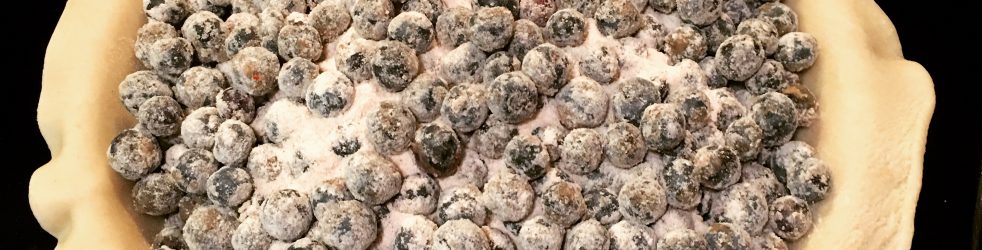
“If baking is any labor at all, it’s a labor of love. A love that gets passed from generation to generation.”
~ Regina Brett
As we venture into the delicious world of pie, we will explore mouthwatering recipes and how to turn simple ingredients into a luxurious dish to be shared with your family & friends. However, before we talk berries and flour, lard vs. butter, or lattice and dutch toppings we must get down to the very foundation of our baking experience: The Tools.
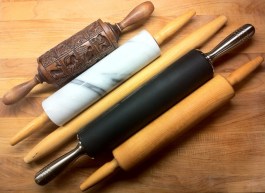
The right tools make any job easier, but one of the best things about pie is there isn’t always just one right tool. Your pie should reflect you & allow your creativity to shine. To achieve this, you need only find the tools that work best for you and your baking style.
In our “Tools of the Trade” series, we will discuss everything from rolling pins & pie pans to pie birds & crust shields, dough blenders & pie weights. While many of these are tools that have been used for generations, we will explore our more modern options and how choosing your tools can help you bake your perfect pie.
The foundation to every great pie is the crust and to get that perfect crust, we need the perfect rolling pin. Everyone is going to have a preference on what rolling pin they like; handles or no handles, stainless steel or wooden, smooth or textured. Below we discuss some of the options to consider when picking out a rolling pin.
Handles, Barrel or Tapered
There are 3 main styles when it comes to rolling pins. The one you probably saw in your grandmother’s kitchen is a standard rolling pin with handles, also known as an American or Classic rolling pin. A handled rolling pin allows you to move quickly over your pie dough and applies a fairly even amount of pressure as you go. A down side to this type of rolling pin is that it can be difficult to adjust the amount of pressure applied to your dough since you only have control from the handles. You may also find that these pins are not long enough to roll your entire crust at the same time.
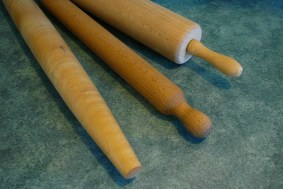
The barrel, or baking style rolling pin is the same style as a handled rolling pin, but without the handles. The barrel style rolling pins tend to be a little longer and have a smaller circumference as well. Barrel style rolling pins are great for pie crusts because they are long enough to roll the whole diameter of your pie crust while applying an even pressure over the dough. Since your hands will be placed towards the middle of the rolling pin, instead of handles on the ends, the same weight and pressure is applied to the entire crust.
The tapered rolling pin, also often referred to as a French rolling pin, is similar to a barrel rolling pin in that it has no handles. The ends of a tapered rolling pin taper to a point, reducing your rolling space. While tapered rolling pins have their place in baking, they are a little more difficult to use and may require some practice if you are rolling out a crust that needs to be even edge to edge. The tapered ends of this rolling pin can leave the edges of your pie crust thicker, which can cause uneven baking.
Wood, Metal, Glass, Marble or Silicone
The most common material used to make rolling pins is wood. The texture and weight of wood makes it the perfect medium to roll out a pie crust.
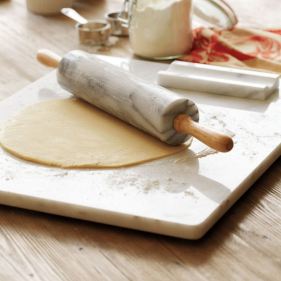 In some kitchens you can find metal, glass or marble rolling pins. Marble rolling pins are typically chilled before use, while metal and glass rolling pins are often hollow so they can be filled with ice and water. Chilled rolling pins are really meant for delicate pastry dough that needs to remain cold until baking. Since pie crust is a little more resilient, a chilled rolling pin is not necessary.
Silicone rolling pins are typically handled rolling pins. The silicone reduces the amount of flour needed to roll out the dough due to its non-stick surface. If you are using a silicone rolling pin to roll out your pie crust, you may need to adjust your crust recipe slightly since you won’t be adding any flour to the crust during the rolling process.
Texture & Weight
If you are using a wooden rolling pin, you can feel it has a little texture to it. This, with a little flour, helps to keep your crust from sticking to the rolling pin. While the marble, metal and glass rolling pins are very smooth, chilling the rolling pin before use helps to reduce any sticking.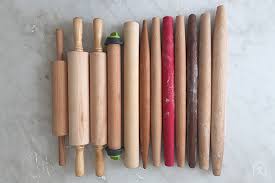
When shopping, you will find rolling pins with textured designs. These types of rolling pins are meant for rolling out cookies. While they create a beautiful design in rolled dough, they will create an uneven crust that may not hold your pie filling and withstand the baking process.
One last thing to consider when picking out a rolling pin is its weight. A rolling pin that is too light will require more work from you to roll out your dough, while a rolling pin with too much weight can thin your dough too much and possibly tear it.
What I Use
The rolling pin I have chosen for my kitchen is a the Fletcher’s Mill Bakery Pin. This rolling pin had a smooth texture to the wood, but is still textured enough that the dough 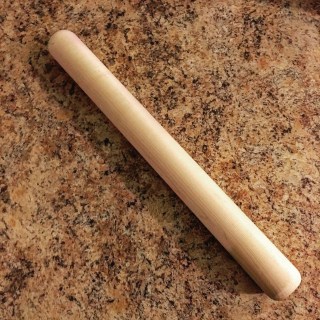 will not stick to the barrel. This rolling pin also has a very nice weight to it; enough that I don’t have to put too much work into rolling out my dough, but not so much that it tears my dough or rolls my dough too thin. The 18.5 inch length allows me to roll my entire pie crust at the same time, leaving the thickness of the dough even from side to side. My rolling pin gives me the control I want when rolling out a pie crust while doing its job perfectly.
Your options for a rolling pin are truly endless. As you trek out to find your perfect rolling pin, remember to assess what your expect from your rolling pin and to trust your hands. Your perfect rolling pin will feel just right in your hands and will enhance your connection to your dough, allowing your creativity to speak through your pie.
 Between 2 Crusts